
Foreclosures remain a small but important segment of Hawaii’s housing market. While inventory levels fluctuate, buyers who understand the process can sometimes find opportunities that are not widely available through traditional listings.
Buying a foreclosed property in Hawaii can be a smart way to enter the market or find value, but it requires a clear understanding of the process, risks and opportunities. Whether you're a first-time buyer or an investor, this step-by-step guide will walk you through how to buy a foreclosure in Hawaii, what to expect and how to avoid common pitfalls.
What Is a Foreclosed Property?
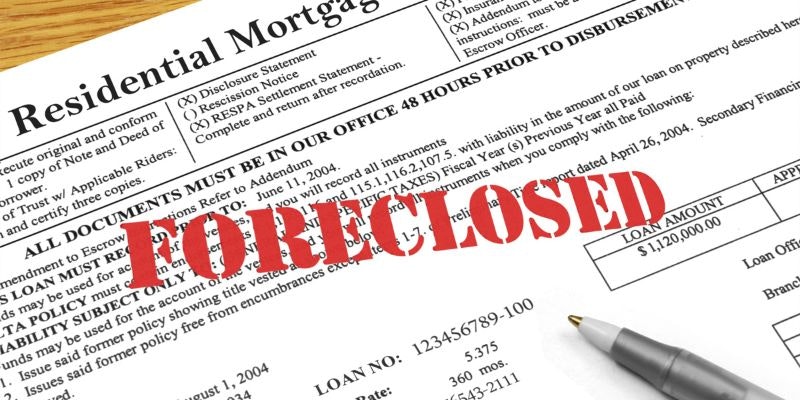
A foreclosed home is a property repossessed by a lender after a homeowner stops making mortgage payments. In Hawaii, foreclosure properties typically fall into three categories:
- Pre-foreclosure homes in Hawaii - The owner is behind on payments but still owns the property
- Foreclosure auctions in Hawaii - The home is sold to the highest bidder, often with limited inspection access
- Bank-owned homes (REO properties) - The lender has taken ownership and lists the home for sale
Browse foreclosed Hawaii homes for sale.
How to Buy a Foreclosed Property in 7 Steps
Most buyers search for REO (Real Estate Owned) properties in Hawaii, since they are listed on the MLS and allow for financing and inspections.
Step 1: Get Pre-Approved for a Mortgage
If you're planning to finance your home purchase, getting pre-approved by a lender is an essential first step. During the pre-approval process, lenders will carefully evaluate several aspects of your financial profile. They will review your credit score to understand your creditworthiness and determine the interest rates you may qualify for. Your income will be verified to ensure you have the means to make consistent mortgage payments. Lenders will also examine your employment history to confirm stability and reliability in your earnings. Finally, they will calculate your debt-to-income ratio, which is your total monthly debt divided by your gross monthly income, expressed as a percentage. Most lenders prefer this number to be no greater than 36%, as it indicates that you have sufficient capacity to take on a mortgage.
Keep in mind that some foreclosed homes in Hawaii may not qualify for traditional financing due to their condition. In these cases, renovation loans or cash purchases may be required.
Step 2: Work With a Hawaii Real Estate Expert
Buying a foreclosure isn’t the same as purchasing a typical home. Working with a local expert ensures that you don’t miss any critical details and helps the process go smoothly. A Locations agent can assist you in finding foreclosure listings in Hawaii and give you access to properties that may not be widely advertised. They can also help you understand the differences between REO properties and short sales, so you know what to expect with each type of transaction.
Your agent will guide you through navigating contracts and lender requirements, making sure all paperwork and deadlines are handled correctly. They can also help you build a competitive offer strategy, increasing your chances of securing the property you want.
In a competitive market like Oahu, timing and local insight matter. Having a knowledgeable agent on your side can make all the difference in successfully purchasing a foreclosure.
Step 3: Find Foreclosure Listings in Hawaii
Not all foreclosure properties are easy to identify online, and some of the best opportunities may not appear on standard listings. Your agent can help you uncover bank-owned homes for sale in Hawaii. They can also help you find distressed properties with pricing opportunities, where careful planning and strategy can result in a strong investment. Additionally, your agent can identify listings with renovation potential, allowing you to create a home that fits your needs while building value over time.
Keep in mind that well-priced foreclosure homes—especially in competitive areas like Honolulu—can still receive multiple offers, so having an experienced agent on your side can make all the difference in securing the right property.
Step 4: Understand “As-Is” Property Conditions
Most foreclosed homes are sold "as-is," meaning the seller will not make repairs. In the cases of "as-is" properties, buyers should be prepared for:
- Deferred maintenance
- Possible damage
- Vacancy issues
- Limited seller disclosures
A home inspection is critical when buying a foreclosure in Hawaii. In some cases, additional inspections, such as roof, plumbing or structural, may be worth the investment.
Step 5: Make a Strong, Strategic Offer
When submitting an offer on a foreclosure property in Hawaii, having a well-planned strategy can make a big difference. Expect competitive pricing. Foreclosure homes—especially well-located or well-priced properties—often attract multiple buyers. Limit contingencies when possible, because offers with fewer conditions are typically more attractive to banks and sellers. Be prepared for slower bank responses, as lenders may take extra time to review and approve offers compared to traditional home sales.
In general, banks often prioritize clean, straightforward offers over highly conditional ones, so presenting a strong, simple offer can improve your chances of success.
Step 6: Prepare for a Longer Closing Timeline
Buying a foreclosure can take longer than a traditional home purchase, so patience and preparation are key.
You may experience delayed responses from lenders, as banks often manage multiple properties and approvals can take time. Contracts also tend to be more rigid and standardized, leaving less room for customization or revisions compared to a typical sale. In addition, there is usually less flexibility in negotiations, with lenders less willing to make concessions or agree to repairs.
Staying organized, submitting complete documentation, and responding promptly to requests will help keep your transaction moving forward and on track. Your Locations agents will help walk you through this process.
Step 7: Budget for Repairs and Renovations
While a foreclosed home in Hawaii may come with a lower purchase price, it’s important to budget for additional costs that often come with these properties.
You should plan for immediate repairs, as many foreclosed homes are sold “as-is” and may have deferred maintenance or damage that needs to be addressed right away. Cosmetic updates are also common, especially if the property hasn’t been updated in years, and can help improve both livability and long-term value. In addition, ongoing maintenance costs may be higher initially as you work to bring the home up to standard.
Having a financial cushion in place will help you manage these expenses confidently and avoid unexpected stress after closing.
Pros and Cons of Buying a Foreclosure in Hawaii
Buying a foreclosure in Hawaii can offer unique opportunities, but it’s important to carefully weigh both the potential advantages and the challenges before moving forward.
Pros:
- Potential below-market pricing - Foreclosed properties are often priced to sell, which can create opportunities to purchase a home below typical market value.
- Opportunity to build equity - With the right improvements and market conditions, buyers can increase the home’s value over time and build equity more quickly.
- More inventory options in some markets - In certain areas, foreclosures can expand your choices, especially when traditional listings are limited.
Cons:
- Property condition risks - Many foreclosed homes have been vacant or poorly maintained, which can lead to unexpected repairs or hidden issues.
- “As-is” sale terms - These properties are usually sold in their current condition, meaning sellers are unlikely to make repairs or offer credits.
- Longer timelines and less flexibility - Bank-owned properties often involve slower response times, stricter processes, and fewer opportunities to negotiate terms.
Is Buying a Foreclosure in Hawaii Right for You?
Buying a foreclosure can be a great option if you:
- Are comfortable with renovation projects - Many foreclosed homes require updates or repairs, so buyers who are willing to invest time and resources into improvements can unlock significant value.
- Have flexibility in your timeline - These transactions often move at a slower pace, so having patience and the ability to adapt to delays can make the process much less stressful.
- Want to maximize long-term value - Purchasing below market value and making strategic upgrades can position you for strong appreciation and equity growth over time.
However, it may not be the best fit if you’re looking for a move-in-ready home with minimal work, a quick closing timeline, or a more predictable and streamlined buying experience.
Navigating Hawaii Foreclosures With Confidence
Understanding how to buy a foreclosed home in Hawaii is key to making a smart investment. With the right preparation and expert guidance, you can uncover opportunities that may not exist in the traditional market. At Locations, our agents have deep knowledge of Hawaii’s housing market and can help you identify foreclosure opportunities that align with your goals.
Browse foreclosed Hawaii homes for sale.